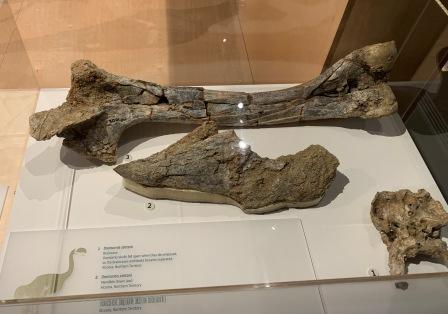
A fascinating museum has opened in Todd Mall in Alice Springs where you can see fossils and re-created megafauna of central Australia. The first of the fossils were discovered on a cattle station around 150 kilometres north east of Alice Springs in the 1950s and the process of extracting more is still continuing today.
An aboriginal station hand made the first discovery of a bone that didn’t belong to any animal living in the area and scientists travelled to the area to investigate. What they found was the largest fossil bed site of Miocene period megafauna in Australia.
Thousands of bones were discovered in the silt of an ancient river system from around 8 million years ago, and these fossils are now helping scientists and paleontologists in understanding changes that took place to ecosystems in Australia in that period as the climate changed.
Today the Alcoota station has part of the land as a scientific reserve and is Aboriginal freehold land after being handed back to the traditional owners in 2012.
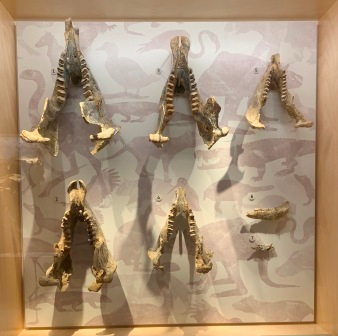
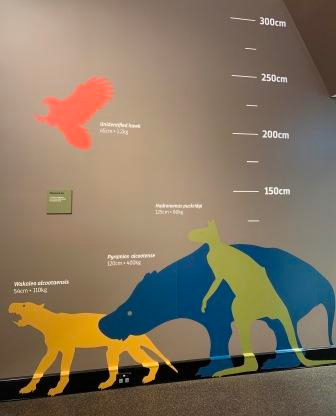
Amongst the bones of 30 species of animals found is the Alcoota crocodile, a species that was the size of an average saltwater crocodile but weighing about 800kg. Skull bones of giant plant eating Diprotodontids, sometimes called ‘giant wombats’ have also been collected.
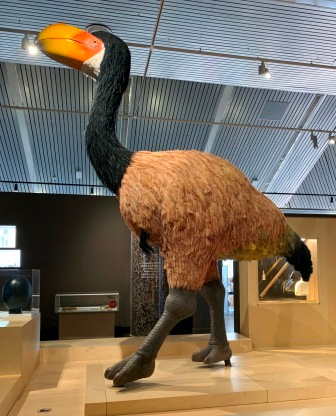
Fossils of other species including the world’s largest bird, and marsupials have also been collected. The bones collected of a bird species, Dromornis stirtoni, have enabled a replica to be built which is something crossed between a giant emu and a cassowary by the look of it.


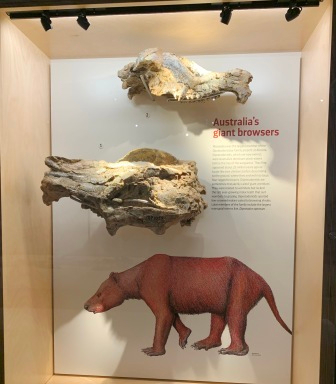
The museum is a really interesting place to visit and kids will love it too with some hands on activities and a view through to a working lab used by the paleontologists. It’s open every day except Tuesdays and entry is free.
Cheers
Glenys
Discover more from Caravan Correspondent
Subscribe to get the latest posts sent to your email.
 Caravan Correspondent
Awesome in every sense.
LikeLiked by 1 person
What a fascinating place to visit and learn about Australia’s unique fauna! The size of some of them is truly impressive. Thanks for sharing and have a nice day 🙂 Aiva
LikeLiked by 1 person
This looks like a great museum! I would not like to come across that giant bird in the bush.
LikeLiked by 1 person
It was such a fascinating museum, really unexpected finds inside.
LikeLiked by 1 person
Wouldn’t want to come face to face with those, magnificent though they are!
LikeLiked by 1 person
The bird was particularly scary 😧
LikeLiked by 1 person