I may have just have coined a new term, but on a recent trip to Melbourne we made a point of seeking out some incredible city building architecture, and discovered some stunning facades and interior décor, that had us wondering if we were even in Australia any more.
One of the good sides to following a variety of social media accounts is that you can learn about places to visit and with Instagram especially, the visuals are so attractive that I often use it as a source of inspiration for what to see on our way to, and in our destinations.
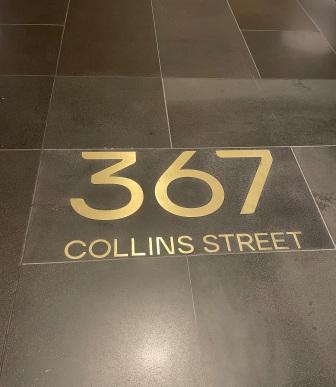
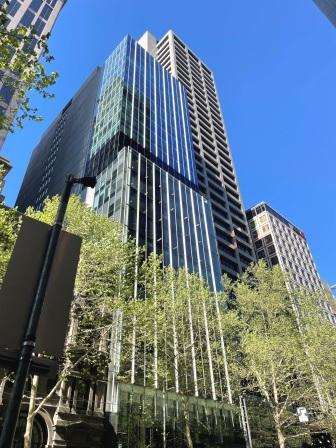
That was the case with one building in Melbourne CBD, at 367 Collins Street. This building was already well known to us, as it’s the home of the ‘Collins Street falcons’, wild birds that use the building façade ledges to nest annually. (More on that later) But recently I saw that the interior of the building was definitely worth seeing too.
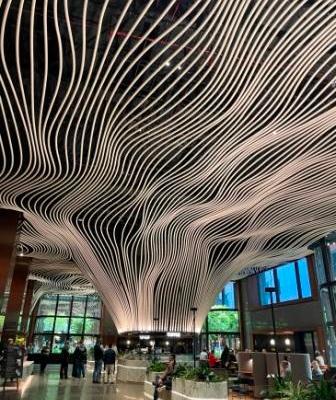
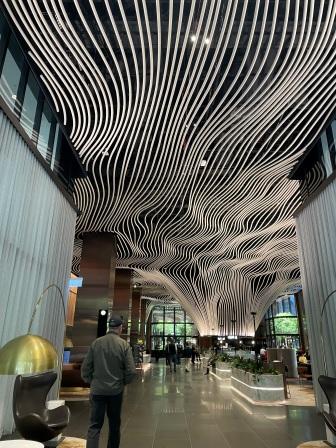
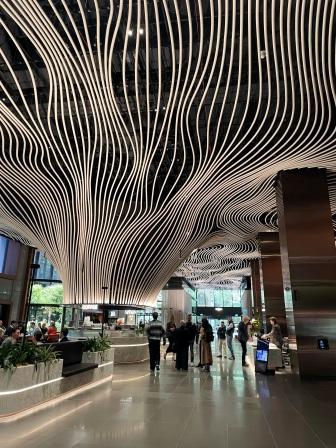
The building houses many different business tenants but it’s the dramatic foyer décor that I had to see in person. The design of the statement canopy inside is inspired by the flight of the Peregrine falcon, the birds that have nested at the building for more than three decades, and this visually striking feature takes up the entire 7.4 metre high lobby and directs your eye line to the café in the centre.
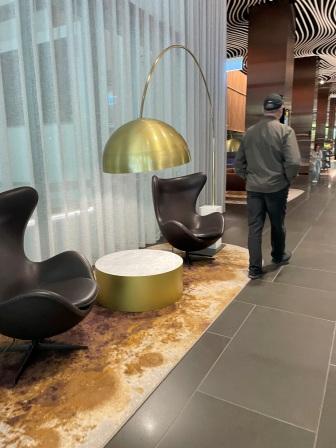
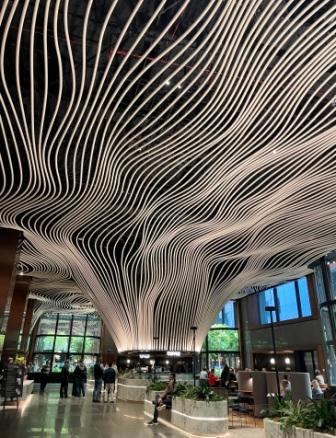
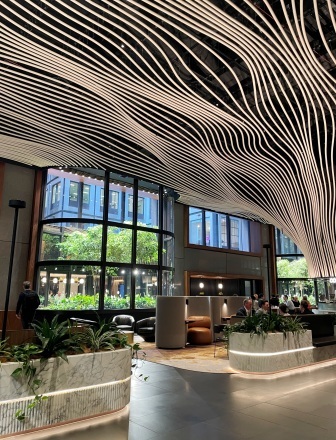
There is also a lot of natural light pouring in to the foyer and there are floor to ceiling sections of glass that frame gardens of greenery and mature trees.
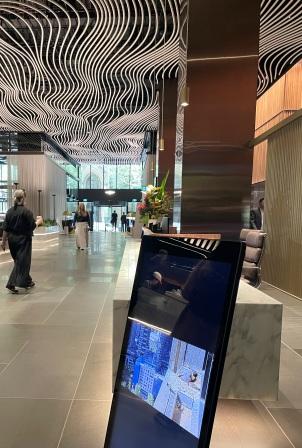
The showstopper though is the sweeping design of the curved aluminium tubes that rise and fall across the ceiling, which are highlighted by bespoke lighting. The sculptural feature is meant to mimic the rhythm, grace and fluid movement of flight that was inspired by the resident falcons.
These falcons and their annual nesting habits can be seen via a livestream on YouTube and it’s a fascinating look into the lifecycle of these beautiful birds as they raise chicks in their nests. Each year pairs of falcons that are monitored by the Victorian Peregrine Project and Birdlife Australia, are identified and their natural habits can be viewed via cameras installed on the ledge that they use annually, over 30 stories above the city streets. Trust me, they are addictive to watch via the link here or here depending on which end of the ledge the birds are.
If you visit the building you can also see the falcons live streamed on a monitor in the foyer too.
While we were in the area we also visited 333 Collins Street, the former Banking Chamber and Vestibule of the Commercial Bank of Australia Ltd. Built in the 1890s, part of the original mosaic floor and clock have survived over the years, and some of the blackwood and walnut counters have also been retained and can be seen as you enter the building.
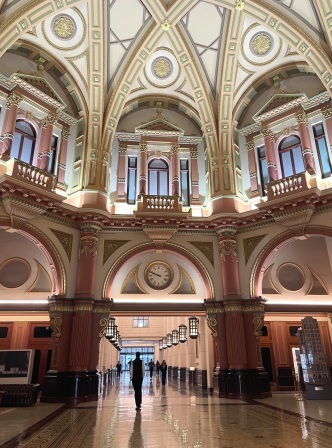
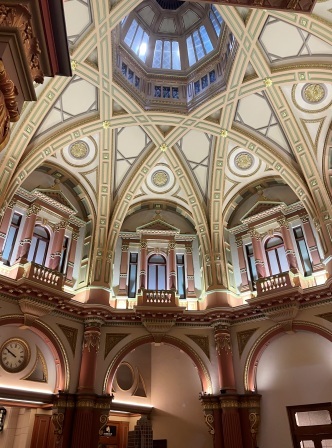
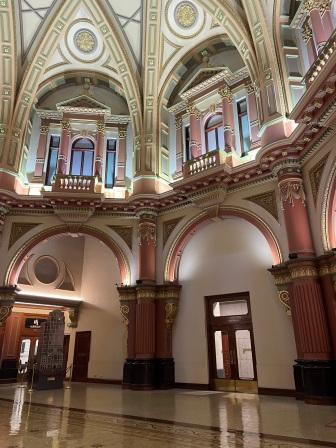
The chamber room beyond has a soaring ceiling and dome in the centre. The colour scheme replicates the original colours that were based on paint samples taken during restoration and the intricate mouldings are highlighted with gold leaf.
The vaulted entrance and dome were designed to provide a maximum of natural light and ventilation to the chamber and took precedents from the architecture of the Italian Baroque style of the Church of San Lorenzo in Turin and also the Great Mosque at Cordoba in Spain. The domed chamber is recognised by the British Society of Architects as the finest structure of its type in the world.
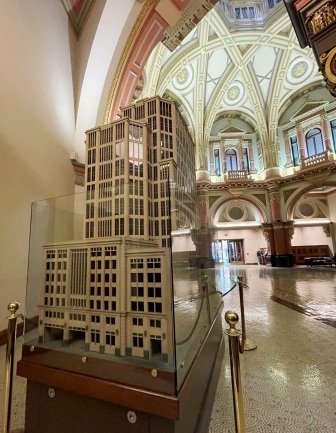
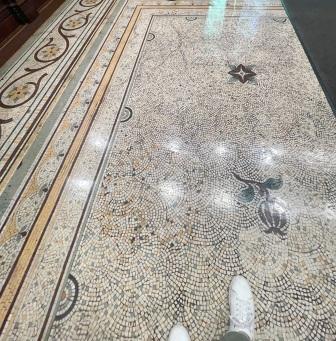
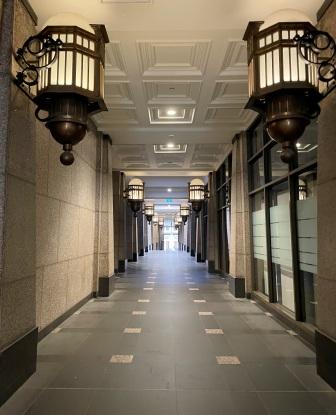
Various restorations and changes have occurred over the years but the building is listed on the Register of Historic Buildings to protect and retain much of its original features.
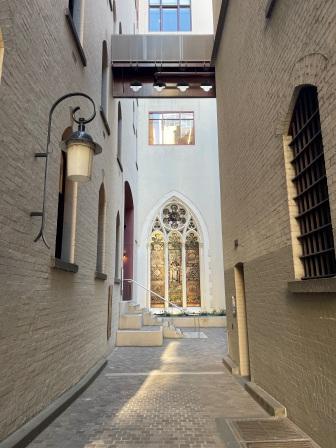
Across the road, is another architectural marvel at 386 / 388 Collins Street. This building was once the English, Scottish and Australia Bank and former Melbourne Stock Exchange, and is now the headquarters of ANZ Bank and a banking museum.
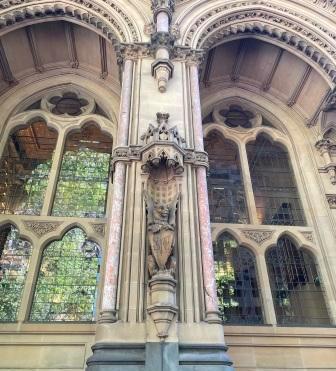
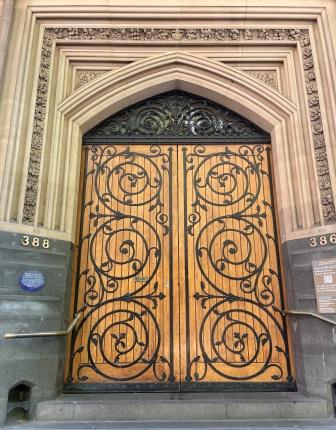
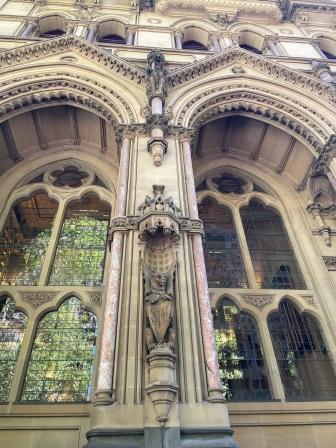
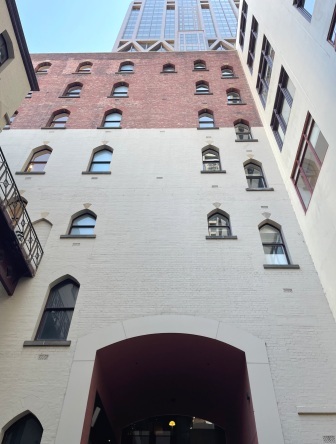
Built in the late 1880s, the Gothic façade features gargoyles, stained glass and a rose window at the very top of the building. A new skyscraper was built in 1993 behind the façade with the original structure being preserved and restored.
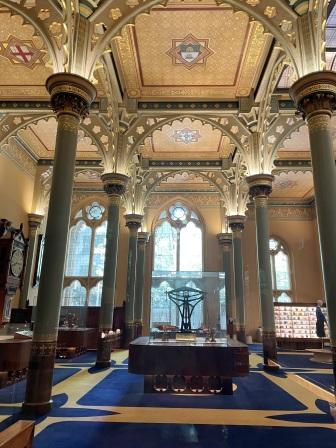
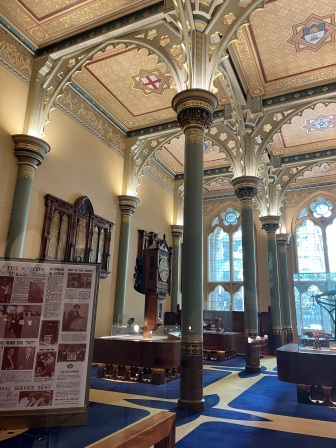
Walking around the back of the building led to even more amazing architecture to see.
Keep in mind to delve into a bit of architecture tourism next time you’re in a city large or small. You never know what treasures and stories you will unearth.
Cheers
Glenys
Discover more from Caravan Correspondent
Subscribe to get the latest posts sent to your email.

