

In March, I was thrilled to be contacted by a producer from the ABC News Breakfast television show, a national morning news program that airs weekdays on ABC TV, and iView.
The show is an Australian news breakfast television program that airs from 6.00 to 9.00 am and as well as the daily news, they present interviews, conversations and feature stories relevant to what is making news in Australia and around the world.
I was contacted to talk with one of the hosts, James Glenday, on the subject of caravanning with the current fuel worries that are affecting our country, due to the war in Iran.
After a brief introduction from the host, I was asked how in general, caravanners are feeling about the possibility of fuel restrictions and how the skyrocketing price of diesel in particular, is affecting travels.
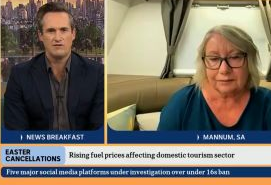

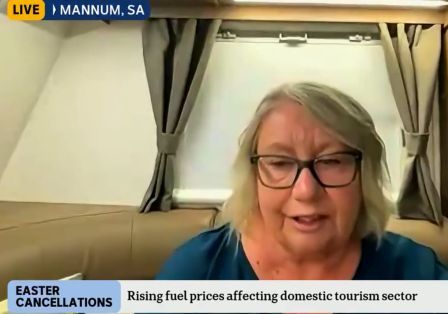
From our own experience and in talking with other caravanners, I get the feeling that most people are keeping to future travel plans but also keeping those plans very fluid with changes out of our hands and likely to happen any day.
We and others are hoping to keep travelling but are very conscious of not wanting to take fuel from essential services and industry that need to keep the country running.
At the moment though, I’m seeing a lot of caravan parks and regional tourism areas crying out for travellers to keep visiting and hopefully there is a way that we can help without being a burden.
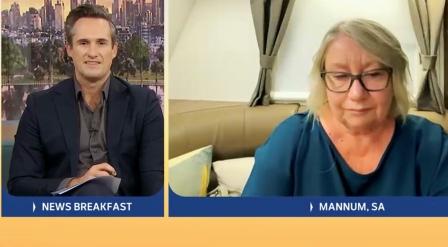
We are in a lucky position to be retired and able to work remotely so for us we are happy to keep travelling to regions that want tourism, and then stay put for a while, walking where possible to save fuel, or staying off grid, and spending money in towns along the way.
Australia has many remote destinations but at the moment, we are hearing that fuel supplies are not a problem and the regions are still hoping that tourism and the dollars it brings, continues.
I have noticed a few caravan parks are offering deals to encourage people to keep visiting, including stay longer / pay less deals, or percentages off for longer stays.
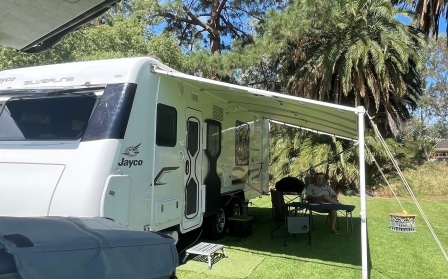
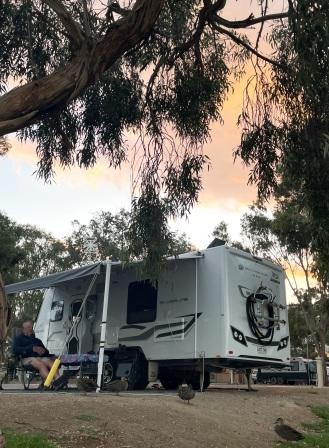
Our feeling for future travels is to just play it by ear, week by week at the moment, but we are cautiously still planning a few trips in the next couple of months.
If others are still planning caravan holidays there are a few tips you can try, to save dollars on fuel including:
- topping up with smaller amounts regularly
- looking for the best fuel prices by using fuel apps
- making sure vehicle and van tyres are inflated to the correct pressures
- travelling as light as possible
- and driving a little slower to conserve fuel
How is everyone else feeling at the moment about the impact fuel prices and availability of supply is having on their caravanning plans?
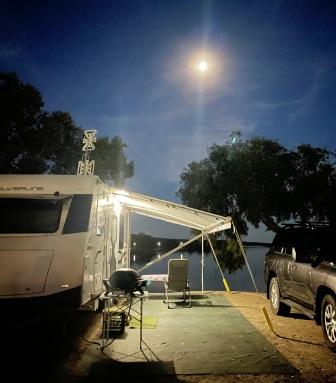
Cheers and fingers crossed for smooth times in the months ahead.
Glenys
Discover more from Caravan Correspondent
Subscribe to get the latest posts sent to your email.
 Caravan Correspondent
Congratulations and thanks for the sound advice.
LikeLiked by 1 person
Thank you Aiva
LikeLiked by 1 person
I’ll have to go on to Iview and see if I can find your interview. What date did it air? We’ve been talking about caravan travel and there are plenty of places we can go without travelling far too. I’m just glad we have no international travel planned at the moment.
LikeLiked by 1 person
It was on Tuesday 31st March, around 7.50 am I think.🙂
LikeLiked by 1 person
Thanks, Glenys. Very handy advice.
LikeLiked by 1 person
A lot of guesswork at the moment but we are still hopeful for cautious travel.
LikeLike
Congratulations and what great advice.
We’re currently in Morocco where, despite going up 20%, fuel is still not expensive (for us) – about 1 euro per litre. I’m sure the rise will hit the Moroccans hard, though. I heard reports from a friend that fuel has reached 2.50 euros in Germany and is 2 euros in France.
I thought Morocco used Russian oil, but I have read reports that it will still be affected by the issues in the Strait of Hormuz.
We continue to travel slowly and stay for a while. We have so much solar we have had no need to use any LPG while in Morocco, so we’re only using diesel when we move.
As you say, other businesses suffer if the tourists don’t come.
LikeLiked by 1 person
Thank you. Yes we are currently paying around the equivalent of 1.80 euros but I have heard in more remote parts of Western Australia fuel is costing closer to 3 euros. Many travellers are sticking closer to home.
LikeLiked by 1 person
Difficult times indeed and hard to know what to do. How would you like to be in the finance industry at present? They must be tearing their hair out.
LikeLiked by 2 people
They must wake up everyday and think now what!!
LikeLiked by 2 people