Visiting the town of Dimboola in Western Victoria, is a lesson in learning to always take the detours to find out what’s at the end of the road. We took this side detour, not far off the Western Highway almost midway between Melbourne and Adelaide, to discover the town and break up a road trip, but found much more than we expected.
The town of Dimboola sits on the banks of the Wimmera River and at first glance appears to be a sleepy country town, and (with a population of around 1500 residents), it looks a lot like many other rural Aussie places. But take a walk around the wide streets, and pop into a few of the businesses, and you’ll soon find this is anything but typical.
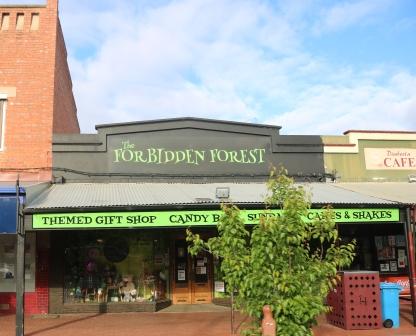
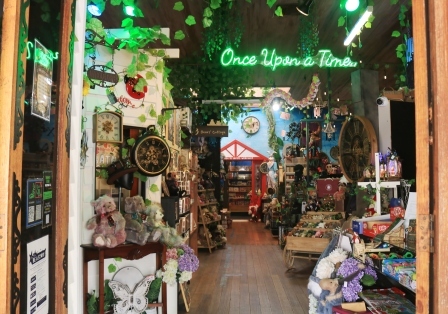
A stroll in the centre of town led us to a shop called The Forbidden Forest which was a cavernous wonderland of weird and wonderful finds. Part retail store and part fantasy realm, this shop and cafe has gifts for kids, adults, as well as homewares and it hints at what else the town is known for, which is a Steampunk Festival, held in April each year.
For those not familiar with it, Steampunk is a blend of Victoriana and futuristic aesthetics which blends Victorian era style with modern and futuristic technology, creating a very distinctive look in costumes and atmosphere. The next festival will take place from the 15th to 18th of April 2027, with the theme of Starfarers Jubilee, inspired by 19th century space exploration.
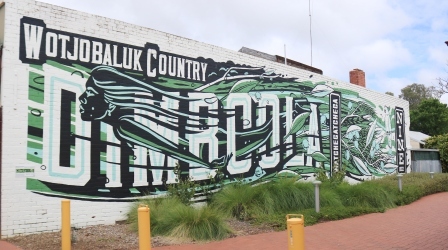
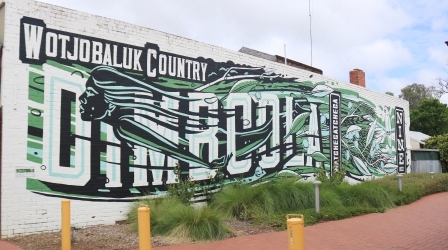
Walking through town, other artistic elements appear including a Dimboola mural by Travis Price which includes the indigenous name for the region as well as a girl swimming, which represents the community’s connection to the Wimmera River, and other agricultural and animal themes in the painting.
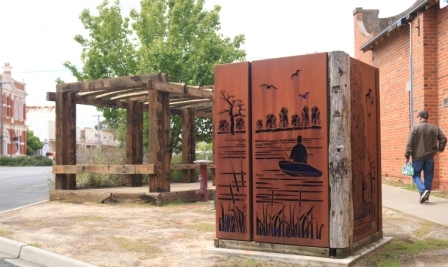
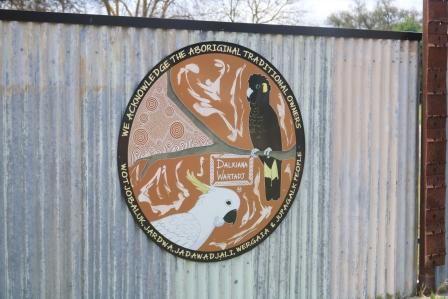
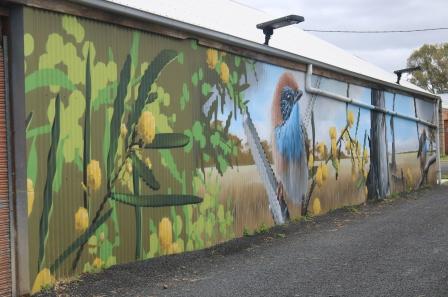
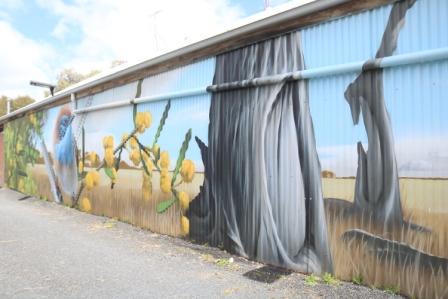
In a back laneway you’ll also find a mural by Smug (Sam Bates) which features locally found rare wattle plants and Mallee Emu Wrens as well as indigenous scar trees that can be found in the region.
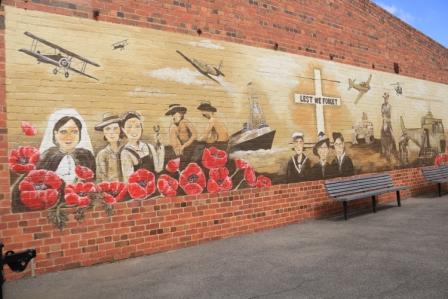
A wall of the RSL is also painted with a mural which pays respect to all the services and armed conflicts that Australian’s have participated in, as well as women in service and a field of poppies.
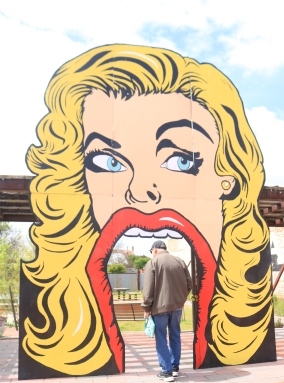
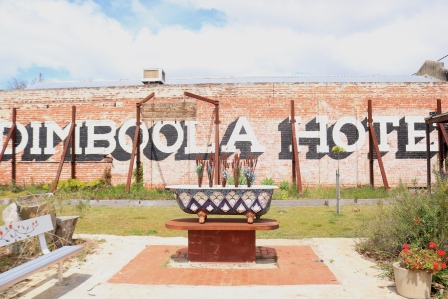
One thing you can’t miss in the main street is the Roy Lichtenstein blonde woman that is the lunar park inspired entrance to Tower Park. The artwork is a remnant of the 2025 Steampunk festival and is now the way into this community park in the place where the Dimboola Hotel once stood.
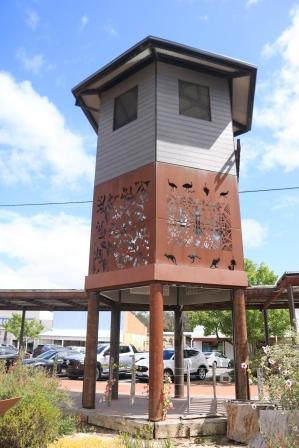
The hotel was gutted by fire in 2003 and in 2015 the site was bought by a local man, who together with the community and a Government grant, turned the site into a public park which includes designs of local importance such as the nearby river, desert, native plants and animals. On one corner of the park stands a tower which replicates the one in the original hotel design.
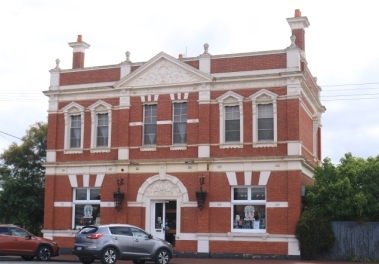
Across the road from Tower Park is another almost hidden secret, with the facade belying what lies inside. Dimboola Imaginarium is a quirky gift shop and boutique accommodation which is housed in the Renaissance style former National Bank building.
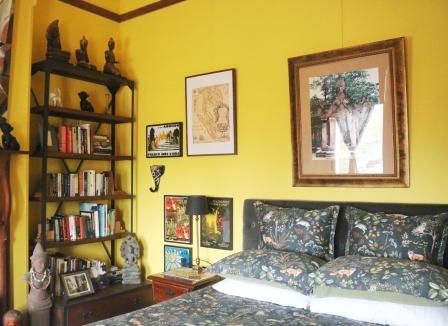
Stepping inside is a sensory delight, with a treasure trove of unique homewares and gifts to browse and buy, from floor to ceiling. The owners Jamie and Chan Uoy are extremely welcoming and are more than happy to show us through the 1909 building. The impromptu tour also included a sneak peek into the old bank vault, the garden, and gregarious décor in the themed bedrooms and common areas in the accommodation upstairs. Trust me, you have to see the spaces to believe.
Chan Uoy, who also owned Cambodian restaurants in Melbourne and Yarraville, told us to keep an eye out for an upcoming SBS television series of Rick Stein in Australia where Victoria is featured, including Dimboola and the Imaginarium, where Chan was able to cook for him. It’s these little unexpected experiences that bring home what travel is all about, the people you meet and the stories you hear.
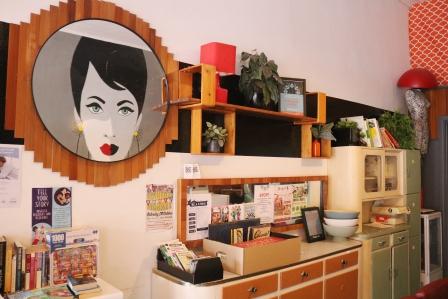
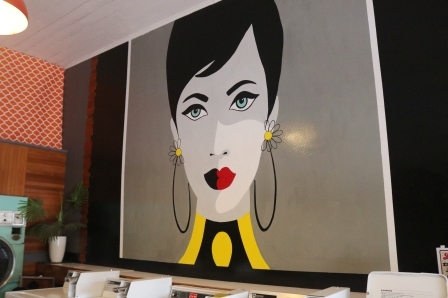
The surprises don’t stop there though, still in the main street we stroll past the laundry and have to have a double take at the retro awesomeness of the décor inside. For a practical space, you have to take you hat off to local woman (and Victoria Hotel co-owner) Meran Pilmore who is behind the cool design.
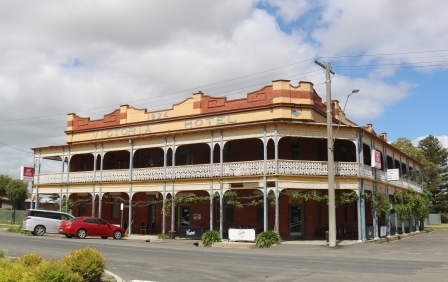
Which leads me to our main reason for visiting Dimboola which was a recommendation to eat at the Victoria Hotel. This 1924 double storey hotel with a vine covered veranda exterior, gives no hint of what you’re in for when you step inside.
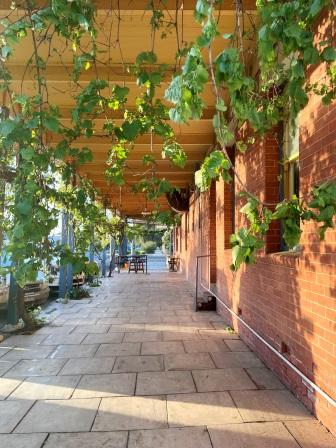
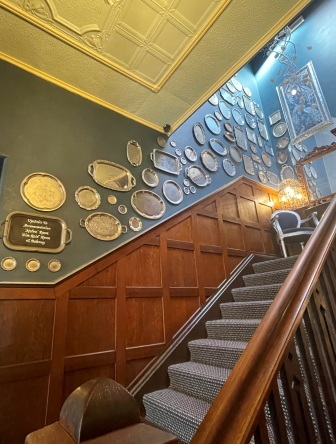
The dining spaces are filled with features to take in, as is the stairway that leads to the accommodation upstairs. The walls are lined with op shop treasures and collections displayed in imaginative ways, but the biggest explosion of drama is reserved for the Elbow Room, where we have the pleasure of dining.
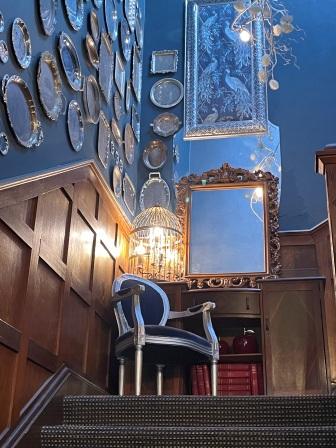
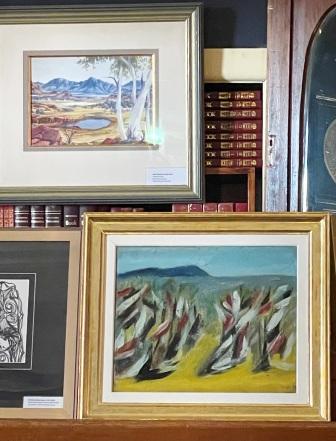
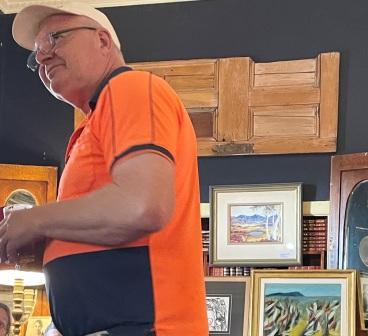
Unlike any hotel dining room we’ve ever been in, this room feels like you’re dining in an 18th century drawing room, filled with paintings, lamps, books, and trinkets that would take days to fully appreciate. But it was the paintings that took centre stage and that was no wonder, when we found out that they are actually original paintings by famous Australian artists including Albert Namatjira and Sir Sidney Nolan.
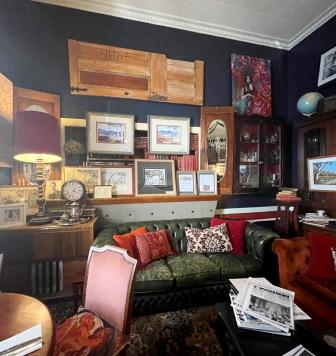
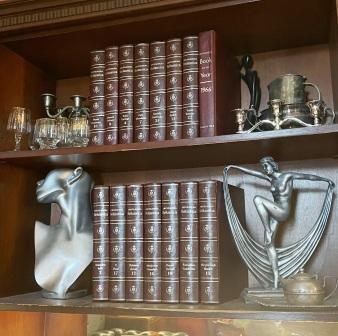
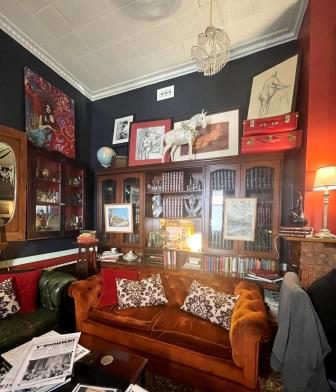
As luck would have it, we just happened to be dining on an evening when the owner of the art, a local man, was generously loaning another Sidney Nolan original to be put on display at the hotel. He was also happy to regale us with the story of the artists and his collection. Simply amazing.
Most people would be aware of Sidney Nolan’s iconic paintings of Ned Kelly but his connection to Dimboola is less well known. In 1942 he was posted to Dimboola as a soldier in charge of guarding grain and food supplies. The region gave his art a different direction and he painted landscapes in simplified shapes and exaggerated colours, inspired by what he saw in the area.
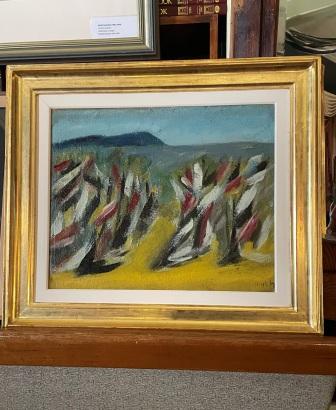
This is one place in Dimboola not to miss, to eat, drink and enjoy incredible artworks all in one spot.
Although we weren’t able to stay there on our last visit, Dimboola has a spacious caravan park which sits beside the Wimmera River and the Riverside Holiday Park is within easy walking distance of town.
While you’re in the area you can also take a short 10 kilometre drive north to see the painted silo art at Arkona. This silo was yet another painted by the remarkable artist, Smug, and it’s based on a local legend of the area, Roley Klinge.
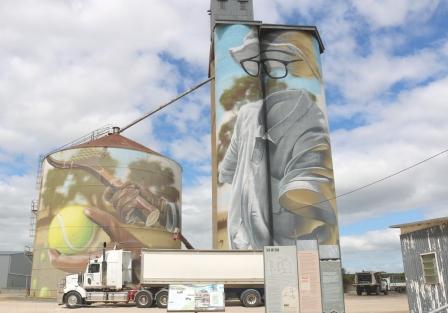
The artist chose to paint him in spirit rather than physically, but the painting includes items that made him familiar including his tennis hat, raquet and glasses. By painting the figure without a physical body, it means the work can be interpreted as ageless, race less and genderless, to appeal to everyone.
Enjoy the roads less travelled.
Glenys
Discover more from Caravan Correspondent
Subscribe to get the latest posts sent to your email.

